You can get more emails from Shopify traffic without automatically teaching shoppers to wait for the next coupon. That matters right now because a flat discount often looks like the easiest fix for weak signup rates, but it can also put pressure on margin and brand perception at the same time.
Reward-based email capture for ecommerce works when the offer feels earned, timely, and relevant to what the visitor is doing. The best setups don’t just ask for an email, they give shoppers a reason to act now, and they do it without turning every visit into a blanket sale.
Introduction
A lot of Shopify stores are sitting on the same annoying pattern. Traffic is coming in, popup views are happening, and the email list still grows too slowly, so the default reaction is to push a deeper discount and hope the numbers improve. That gets the signup, sometimes, but it also narrows the margin on the very first order and can train repeat visitors to hold off until the next offer.
The better question is not whether to offer a reward, it’s what reward fits this visitor’s intent and protects the business behind the scenes. In ecommerce, that usually means pairing a relevant incentive with the right moment, the right form, and the right follow-up.
Onsite capture works best when the shopper feels a clear payoff and the experience fits the store instead of interrupting it. The framework below focuses on choosing the right reward, shaping the UX so people engage, and measuring whether the list growth is worth the cost.
Clarifying Goals and Reward Types
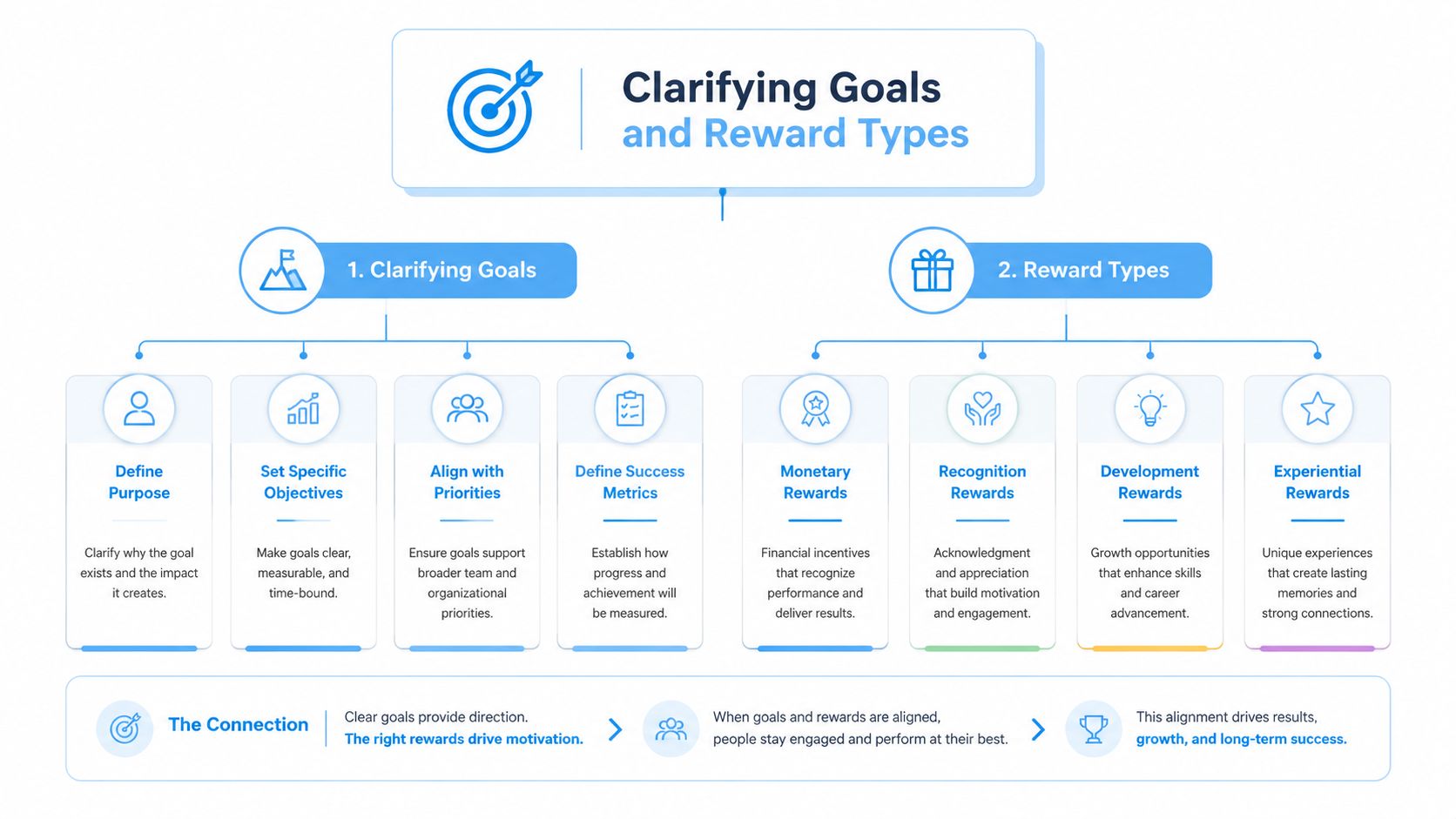
Reward-based capture gets messy fast when the goal isn’t clear. A store trying to grow a high-value list, recover abandoned carts, and preserve margin on first orders shouldn’t use the same incentive structure for all three.
Match the reward to the job it has to do
A percentage-off code is the bluntest instrument. It can help when you need an immediate decision, but it’s also the easiest path to margin erosion if it becomes your default move. Free shipping can be cleaner when shipping cost is the main objection, while early access or an exclusive drop can work better when the brand has something people want before everyone else gets it.
The deeper point is that the reward should reflect intent. A new visitor who’s still browsing doesn’t need the same offer as a cart abandoner with a clear purchase signal, and a repeat buyer may respond better to access or status than a bigger discount. That’s why the best ecommerce guidance pushes segmentation by landing page, URL, UTM tag, geolocation, and cart value, not just a universal coupon.
Practical rule: if the reward would make sense on every page for every visitor, it’s probably too generic.
For practical reward design, think in terms of trade-offs:
- Flat discounts: Good for urgency, weak for margin discipline if overused.
- Free shipping: Useful when shipping friction is the blocker, less useful when product price is the problem.
- Early access: Strong for launches and loyalists, weaker when the audience wants an immediate price break.
- Non-discount rewards: Better for brand protection, especially when the visitor is motivated by novelty, status, or access rather than price.
The upside of getting this right is that you can keep the offer aligned with intent instead of reflexively deepening the discount every time capture lags. That’s the difference between list growth that compounds and list growth that subtly taxes the business.
UX Patterns and Persuasive Copy
Most capture forms fail before the shopper even reads the offer. The problem is usually friction, timing, or a message that sounds like every other popup they’ve already ignored.
Use the format to make the reward feel worth earning
Gamified formats tend to outperform static asks because they create a small interaction before the ask lands. Omnisend’s analysis of 1.24 billion displays found gamified popups converted at 3.5% or higher, about 75% better than the 2.0% average for non-gamified formats, which is why interactive formats deserve attention when a standard popup has gone stale (Shopify’s email capture guidance). The point isn’t novelty for its own sake, it’s that the shopper does a tiny bit of work and sees a payoff.
Good copy reinforces that movement. Instead of “Sign up for updates,” lead with the consequence of acting now, then make the next step obvious. A headline should promise a concrete reward, a short form should ask for email only, and the CTA should match the mechanic, not fight it.
A few practical patterns work especially well on Shopify:
- Slide-ins feel lighter than full-screen interruptions and can work well for browse-intent traffic.
- Fullscreen modals are better when the offer is strong enough to justify a heavier interruption.
- Embedded bars are useful when you want repeated exposure without blocking the page.
- Reveal-style and spin-based formats create a stronger sense of earned value than a plain “get 10% off” prompt.
If you want more examples of how the game layer changes the feel of the signup, the internal library on gamified email signup ideas is a useful reference point.
The copy should sound like a reward, not a request.
That means avoiding vague urgency and using plain language tied to the shopper’s next step. “Reveal your offer,” “see what you got,” and “claim before it closes” all work better than generic newsletter language because they fit the moment of decision.
Reward Mechanics in Action
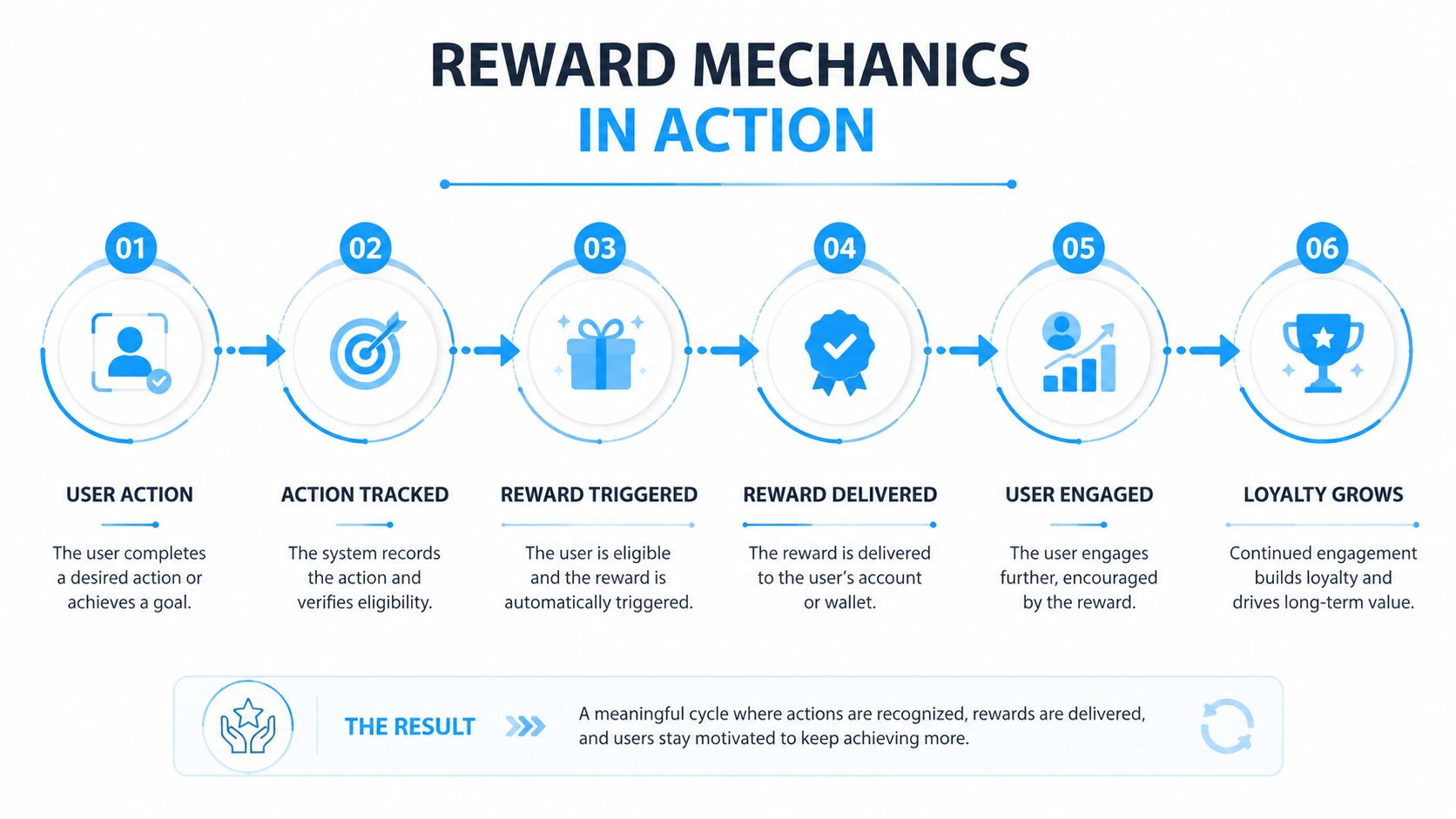
Different reward mechanics solve different problems. If you use the wrong one, you can still get signups, but you’ll often pay too much for them or create an experience that doesn’t fit the store.
Compare the mechanics before you pick one
A spin-to-win wheel works when you want more participation and a bit of fun. It’s the easiest way to make the signup feel interactive, and the data backs that up. A popup study found gamified “Wheel of Fortune” popups averaged 3.5% conversion versus 2.0% without gamification, while discount popups converted at 2.4% versus 1.7% without an incentive (Omnisend popup statistics).
A flash-timed offer is better when the shopper needs a nudge to decide now. It leans on temporal discounting, because the value of waiting feels lower when the reward closes soon. That works best when the audience already shows intent, and it can help prevent the offer from becoming just another permanent coupon.
A progressive reward tier is useful when you want to align the offer with participation depth. The first claim might be lighter, while later claims reflect stronger intent or higher value, which helps protect margin by not giving away the same reward to everyone.
Margin rule: the more intent you already have, the less you should need to pay for it.
If you’re deciding between mechanics, use this simple filter:
- Spin-to-win: best when attention is the main problem.
- Flash timing: best when hesitation is the problem.
- Progressive tiers: best when you want to reward action without flattening your pricing discipline.
For teams that want to push this further inside Shopify, it also helps to understand optimizing discounts for Shopify DTC brands. That context matters because the reward format and the discount logic should support the same business goal, not fight each other.
Shopify Integration and Opt-In Best Practices
A good reward mechanic still falls flat if the capture flow feels bolted on. On Shopify, the best implementations look native, respect consent, and use targeting logic instead of blasting the same offer at every visitor.
Build the offer into the store experience
Email capture popups can be targeted with 30+ rules, including time, scroll depth, cart value, and source, which makes them much more precise than a one-size-fits-all popup (Wisepops popup targeting). That matters because the same reward can look generous to one visitor and irrelevant to another.
The setup should start with the trigger. Time on page, source, and cart behavior are usually better signals than instant interruption. Then the design should match the store’s theme, not clash with it, because trust drops quickly when the capture looks like a generic template.
Legal and compliance language also needs to be clean. For brands that capture SMS too, the guidance on Business texting opt-in compliance is worth reviewing before you mirror the same flow across channels. Email and text aren’t the same channel, and the consent language shouldn’t pretend they are.
Shopify merchants also benefit from connecting capture to the rest of the stack. A lead capture form should sync cleanly into Klaviyo or whatever ESP you’re using, so the reward, the source, and the segment are all available when the follow-up starts. A practical reference on that setup is Quikly’s lead capture form guidance, especially if you’re mapping capture into a broader promotional system.
When the implementation is right, the shopper doesn’t feel processed. They feel like the store is responding to what they’re doing in real time.
Segmentation and Follow-Up Email Flows
Capturing the email is only the first half of the job. What happens next determines whether the subscriber becomes revenue or just another address in the list.
Build flows around source and intent
Best-practice reward-capture funnels separate exposure, action, and submission stages, and high-intent offers can push capture rates above 10% of buyers and up to 65% per engaged user when the form stays short and trust is high (Revlifter reward capture framework). That’s a reminder that the way you shape the follow-up matters as much as the popup itself.
The smarter segmentation is usually simple, but specific:
- First-time visitors: send a welcome flow that reinforces the exact reward they saw, then introduce the brand and one or two key products.
- Cart abandoners who used a gamified offer: keep the offer consistent in the first follow-up, then move quickly to objection handling instead of repeating the incentive.
- High-value repeat buyers: shift toward access, priority, or product education so the relationship doesn’t turn into a discount cycle.
A useful internal reference here is marketing automation workflows, especially if you’re building the logic so the first email mirrors the capture source.
The strategic point is simple. If every subscriber gets the same flow, you lose the reason you captured them in the first place. If the follow-up reflects source, cart value, and visitor type, the reward feels coherent instead of random, and that usually supports better downstream purchase quality.
Don’t let the reward end at the form. The first email should make the offer feel real, then the next messages should earn the click.
That’s where margin protection comes back into view. You’re not just filling a list, you’re deciding whether the subscriber starts on a purchase path or a coupon path.
Measuring and Optimizing Performance
A reward-based capture strategy only works if you judge it against the right baseline. Looking at raw signups alone can hide expensive problems, especially when the offer lifts conversion but weakens purchase quality or increases discount cost.
Watch the whole funnel, not just the popup rate
The most useful benchmark to start from is the average capture rate of 1.95% of site visitors, with 3% to 5% considered good and 6% to 10% achievable with optimized gamified formats (email capture benchmarks). That gives you a range to compare against, but it doesn’t tell you whether the offer is healthy for the business.
You need to measure at least three things together. Capture rate tells you whether the experience is getting attention. Email-to-purchase conversion tells you whether the subscriber is worth the incentive. Margin impact tells you whether the reward is doing more harm than good once discounts are redeemed.
A clean testing plan usually compares:
- Reward type: discount versus free shipping versus access-based reward.
- Timing: immediate display versus delayed display after browsing behavior.
- Placement: popup, slide-in, embedded bar, or reveal-style mechanic.
- Copy: reward-led headline versus generic signup language.
If deliverability starts slipping after a new capture program launches, a practical resource like Why are My Emails Going to Spam can help isolate whether the problem is list quality, sending behavior, or the capture source itself.
The best optimization habit is boring but effective. Test one variable at a time, keep the most important segment clean, and compare the lift against the actual cost of the reward. If the list grows but the buyers don’t, the offer is too broad or too expensive.
Conclusion
Reward-based email capture for ecommerce works when the incentive matches visitor intent and the store keeps control of margin. This represents a fundamental shift, moving from “what discount gets the signup?” to “what reward earns the action without training bad habits?”
If your current capture stack is a generic popup plus a flat coupon, the next move is straightforward. Audit every entry point, pick one mechanic that fits your traffic quality, and test it against your current baseline with signup lift and margin impact side by side. That’s how Shopify brands grow the list without weakening the business behind it.
A CTA for Quikly.
Topics: reward-based email capture, ecommerce email marketing, Shopify email capture, gamified popups, conversion optimization