The most popular advice about holiday marketing emails is to start earlier and send more. That’s incomplete. If every extra send announces a better deal, you’re teaching shoppers to ignore today’s offer and wait for tomorrow’s markdown.
Every November, ecommerce inboxes fill with near-identical sale announcements. Promotions can move inventory, but a calendar built around escalating discounts gives customers a reason to postpone buying. Shopify merchants then face an uncomfortable choice: protect margin and miss the sales target, or deepen the offer and reinforce the habit they’ll have to fight next season.
A better holiday email calendar rewards timing, loyalty, and purchase intent. Early access should mean access shoppers can use. Shipping reminders should explain a real operational deadline. Gift guides should help someone choose, rather than dress up another sitewide sale. These eight ideas give each email a distinct job, with practical setups for Shopify and your email platform. Judge them by the orders they generate this week, but also by what they teach customers to do next year.
1. Early Access Preview Email for Subscribers
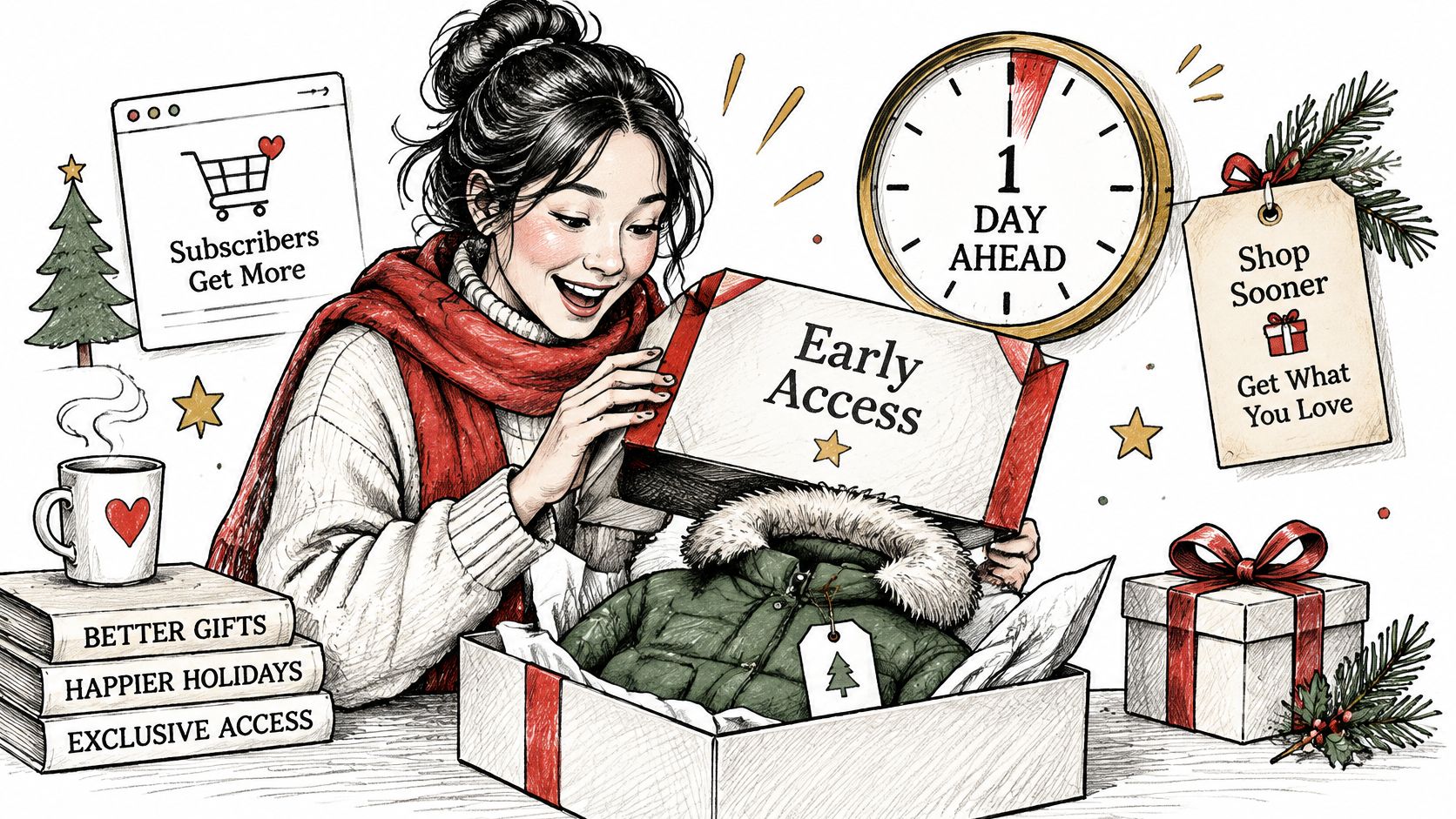
An early access email gives existing subscribers a meaningful head start on a collection, gift set, or promotion. The reward is the opportunity to choose first, not necessarily a lower price.
Early communication belongs in the holiday calendar. In Infobip’s global holiday shopping research, 47% of shoppers expected holiday promotions by the end of October, while another 31% preferred early November. That’s a reason to prepare an early offer, not permission to send the same discount repeatedly.
Make the head start worth having
Say an apparel store previews its winter capsule to repeat buyers before public launch. The email names the opening time and time zone, shows the included products, and links to the preview collection. Customers get access to the strongest size selection rather than an automatic markdown.
Set it up deliberately:
- Choose the audience. Build a Klaviyo segment using marketing consent, recent clicks, and relevant purchase history. Shopify customer tags can identify loyalty members or preview registrants.
- Control access. An unlisted collection URL isn’t private. If exclusivity matters, use an access-control app or appropriate storefront gating.
- Separate the sends. Announce the preview, then send public-launch messaging that excludes customers who already purchased.
Commitment and consistency matter here: shoppers who explicitly request a preview have taken a small step toward participating. Don’t undermine that choice by immediately giving everyone else a better offer.
Next season’s lesson should be clear: staying subscribed and acting early brings a useful advantage.
2. Recipient-Based Gift Guide Email
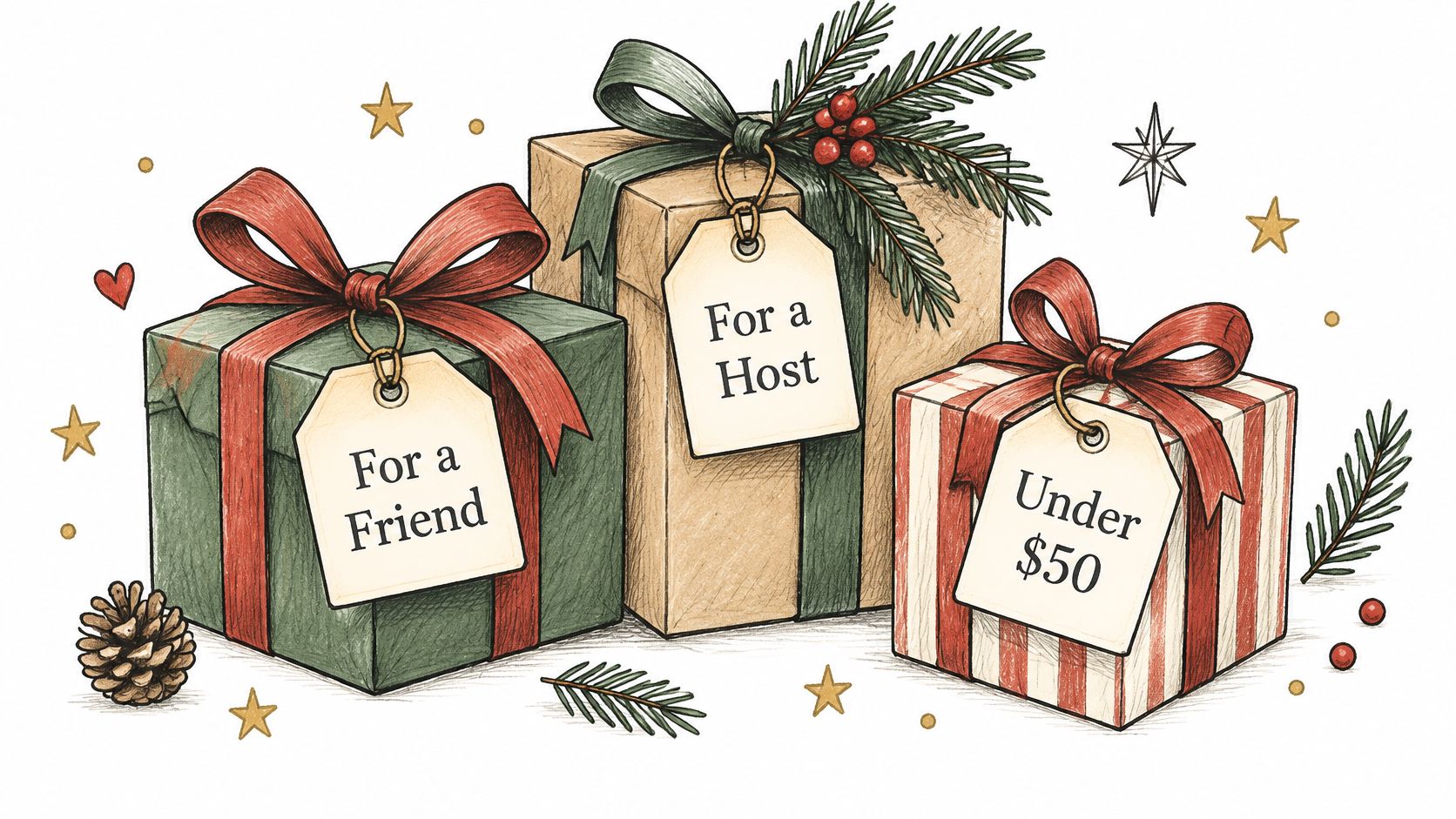
A customer buying for a coffee enthusiast needs different help from someone choosing an office gift. Organize your holiday gift guide around the recipient’s situation, then use product categories as supporting navigation.
Say a coffee retailer creates sections for the home barista, the traveler, and the office host. Each section offers a small selection, explains why the products fit, and shows the price. A tasting set can solve uncertainty without requiring a discount.
Sell the fit before the incentive
Build dedicated Shopify collections for each recipient and give every email section a matching destination. Don’t send someone from a carefully curated host-gift recommendation to the entire catalog.
Use these mechanics to keep the purchase easy:
- Explain suitability. Describe the practical benefit, such as easy care, portable packaging, or a ready-to-gift presentation.
- Make the total visible. Show product prices and clarify whether wrapping or accessories cost extra.
- Personalize cautiously. Use category browsing and stated interests to choose the guide. A past purchase doesn’t prove who someone is shopping for now.
For editorial inspiration, review the Cedar & Lily Clothier gift guide, then build your own recommendations around your assortment and customer questions. These gift promotion ideas can help you connect curation with a relevant bundle or gift option.
Watch bundle economics. Packaging, pick-and-pack work, and subsidized shipping can consume the margin you thought you preserved.
The habit you want to build is come to us for a good recommendation, not come back when everything gets cheaper.
3. Shipping Cutoff Reminder Email
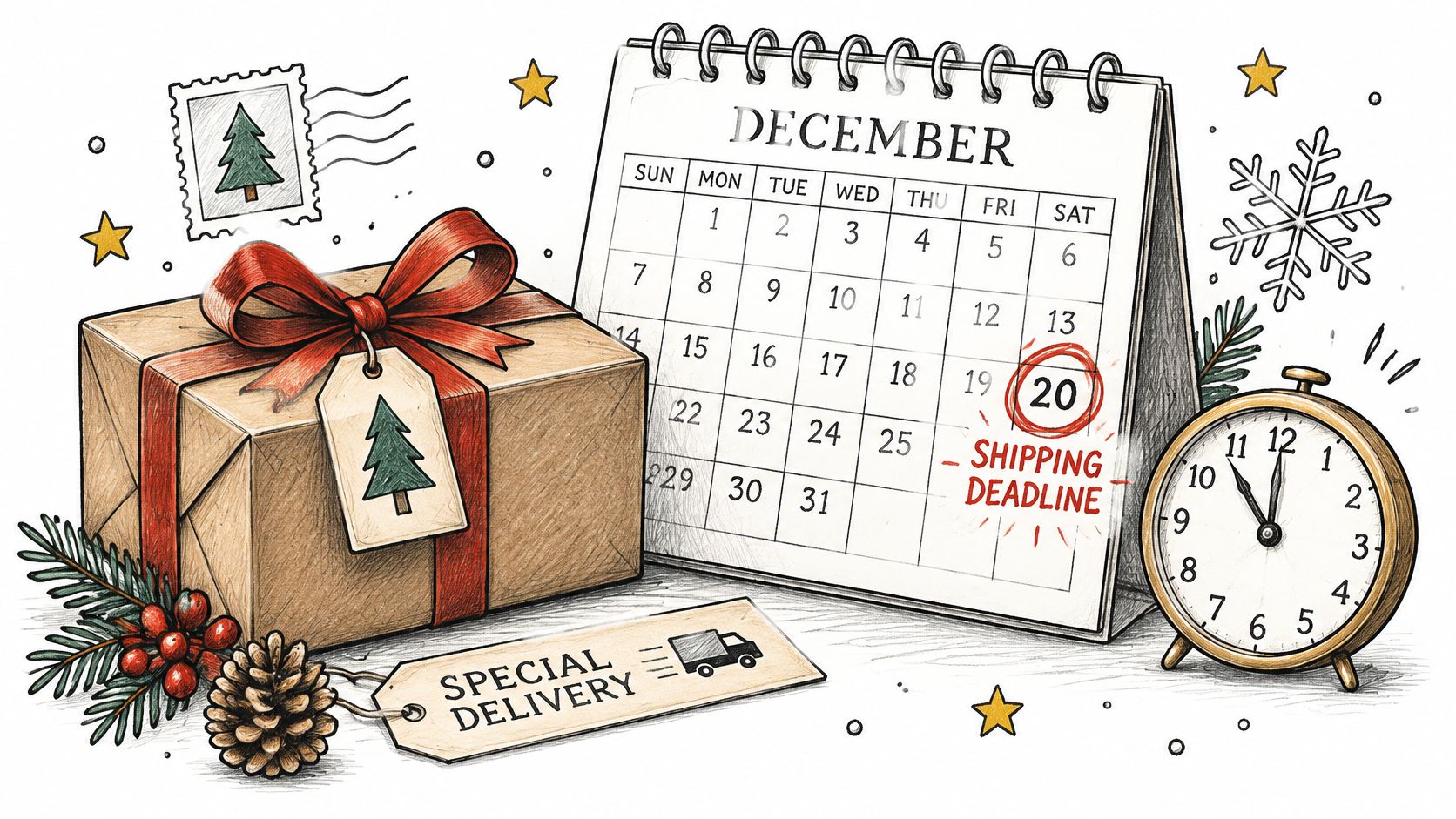
A shipping cutoff email answers a practical question: can this gift still arrive when the shopper needs it? Its urgency comes from fulfillment reality, so accuracy matters more than creative pressure.
The gap between promotion and useful delivery information is longstanding. A Retail Dive analysis of retailer holiday emails found that over 80% of December holiday emails promoted free shipping, but only 10% clearly emphasized holiday delivery deadlines in the sample.
Write the operational promise first
Confirm warehouse processing time, carrier estimates, destination restrictions, and customization lead times before drafting the subject line. State the actual cutoff date, time, time zone, and eligible shipping method near the top of the email.
Say a housewares store has gift-ready inventory that can still leave its warehouse before the standard-delivery cutoff. Link directly to that collection, excluding backorders and products with longer handling times.
Practical rule: A delivery estimate and a delivery guarantee aren’t interchangeable. Use the language your fulfillment operation can support.
In Shopify, maintain a collection or product metafield for cutoff-eligible items, then check stock before the scheduled send. Make the email, landing page, shipping policy, and checkout options agree.
Content that helps shoppers find personalized gifts with fast shipping can support discovery, but your own production and delivery estimates must govern the promise.
Send the final reminder to engaged nonbuyers rather than everyone who received the announcement. After the deadline, replace expired claims with express delivery, pickup, or digital alternatives where available.
Next year, shoppers should remember that your deadline meant something, and that ordering earlier reduced uncertainty.
4. Holiday Abandoned Cart Reminder
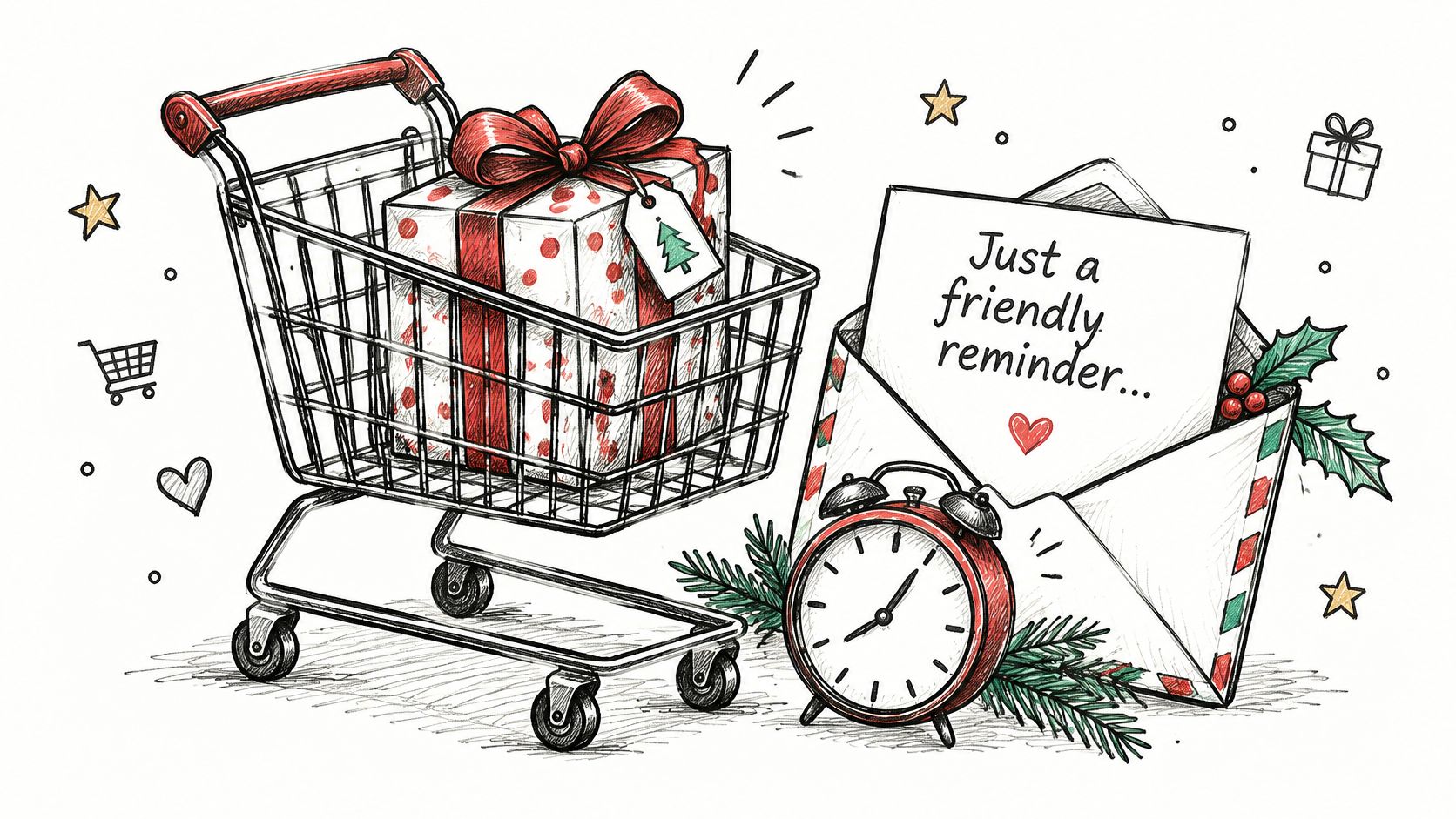
Putting a discount in every cart recovery email creates an avoidable risk: customers may learn that leaving checkout is how they get the better price. Start by recovering the purchase, not surrendering margin.
Behavior-triggered messages deserve attention. In Ometria’s Black Friday 2025 analysis, automated emails represented 2% of total sends but generated 28% of revenue. That’s a finding from its analyzed campaigns, not a guaranteed outcome for your flow.
Recover the reason to buy
Say a jewelry shopper leaves an engravable pendant in checkout. The reminder should show the item, restore the checkout, and explain the engraving deadline if it’s approaching. A generic coupon doesn’t answer whether the finished gift will arrive in time.
Configure the flow in Klaviyo or your connected email platform:
- Use the right event. Distinguish an abandoned checkout from a product view, and verify that the integration supplies a usable recovery link.
- Check before sending. Exit customers who purchased, and suppress unavailable products or invalid delivery claims.
- Resolve friction. Include relevant details about sizing, gift receipts, personalization, or returns instead of assuming price caused the abandonment.
- Respect timing. Apply recipient-local sending windows and coordinate the flow with campaign frequency controls.
Use these abandoned cart email examples to develop the message structure, then adapt it to the shopper’s actual cart.
If you test an incentive later in the sequence, compare recovered contribution margin against a no-incentive group. Some customers would have returned without it.
The lesson should be the store helped me finish, not the store pays me to abandon.
5. Limited Holiday Drop with Quantity-Bound Reward
A limited holiday drop makes acting early consequential. Instead of offering the same markdown indefinitely, cap the reward by claim quantity, closing time, or both.
The constraint must be real. In a consumer survey covered by Retail Brew, 16% of respondents cited misleading subject lines or fake urgency as a reason for disengaging from promotional messages. A countdown that resets doesn’t give shoppers useful information about availability.
Make the reward rules visible
Say a home brand launches a holiday entertaining collection with a limited gift reward. The email explains who qualifies, what shoppers must do, when claiming closes, and whether claiming and purchasing have separate deadlines.
Quikly supports this approach through a single capped reward or descending tiers that step down as shoppers claim. The email sends customers to the live offer, while the storefront experience shows the current availability in the store’s own visual style.
Reward early action with a genuinely better opportunity. Don’t quietly restore the same reward after announcing that it’s gone.
Scarcity bias matters because limited availability makes the opportunity relevant now. Loss aversion can also make an expiring, available reward more salient. Neither principle excuses hiding eligibility rules.
Before launch, test the complete path:
- Budget the exposure. Include reward cost, redemption assumptions, shipping subsidy, and possible discount stacking.
- Check Shopify behavior. Test eligibility, cart changes, checkout redemption, and interactions with existing promotions.
- Prepare the unavailable state. Old emails will still get clicks after rewards are claimed. Show the current offer or a clear closed message.
Avoid hardcoding changing availability in an email that can’t update reliably. The landing experience should be authoritative.
Next season, customers should expect that acting early improves their opportunity, rather than waiting for your team to deepen the markdown.
6. Holiday Thank-You and Gift Card Email
A post-purchase thank-you should acknowledge the purchase before asking for another one. For holiday buyers, useful follow-up might include gift instructions, care advice, or a gift card they can send to someone else.
Say a skincare merchant thanks a customer for purchasing a gift set, explains how to include a gift message, and offers a separate digital gift card for another recipient. That’s a convenient gifting option, not an automatic discount on the next order.
Separate appreciation from the next sale
Trigger the message from a fulfilled-order event in your connected email platform, then filter for marketing consent where it contains promotional content. Fulfillment isn’t proof of delivery, so don’t say the gift has arrived unless a reliable delivery event confirms it.
Keep the commercial details clean:
- Identify the gift card type. A purchased gift card and a promotional reward aren’t interchangeable. Explain what the customer is buying or receiving.
- Avoid artificial expiry pressure. Don’t attach a holiday expiration to purchased gift cards just to encourage redemption. Check applicable rules and your program terms.
- Protect unhappy customers. Suppress follow-up offers when an order is canceled, refunded, or tied to an unresolved service issue.
The principle of reciprocity can inform a thoughtful thank-you, but appreciation shouldn’t feel conditional on another purchase. Your note should still make sense if the customer ignores the gift card.
For incentive planning, consider why gift cards work as customer incentives, then decide whether you’re offering gifting convenience or funding a promotional reward.
Evaluate repeat purchases alongside reward cost and redemption liability. A return visit isn’t automatically profitable.
The behavior to encourage is returning because the first purchase was handled well, not because every order generates another coupon.
7. Holiday Story or Brand Moment Email
Not every subscriber needs another shopping instruction. A seasonal story gives customers something worth opening when they’re not ready to buy.
That doesn’t make it a free pass to send more. Optimove’s 2025 holiday survey, reported by MediaPost, found that 82% of consumers unsubscribe from at least one brand’s email or text messages while shopping online, while 39% cited relevance as their leading reason to engage with holiday messages.
Show why the product deserves its price
Say a ceramics studio sends a short account of how its makers prepare holiday mugs. Real workshop photographs, a maker’s explanation, and a gentle collection link can help customers understand the work behind the product.
A food brand could instead share a customer’s family recipe, with permission, and link to the ingredients. The story needs a specific person, useful detail, or recognizable seasonal moment. General statements about togetherness won’t carry it.
Editorial test: If you remove the shopping button, is there still something worth reading?
Place this email between promotional sends, but consider replacing a sale email rather than adding another message. Use a Shopify page or blog post for the longer version, keeping the inbox version focused.
Send it to people whose clicks, purchases, or preferences suggest an interest in that category. Don’t assume storytelling will reactivate a disengaged list.
Track replies, content clicks, unsubscribes, and later purchases without pretending you can attribute every future order to the story. Ask customer service to flag meaningful responses so the people featured can hear them.
The next-season lesson is that the brand has substance beyond its promotional calendar. That gives customers another basis for choosing you when a cheaper alternative appears.
8. Last-Minute Stocking Stuffer Email
Small gifts can simplify late-season shopping, but only if shoppers can receive them in time. Build this email around available inventory, clear delivery options, and an easy decision.
Say a tea merchant features small tins, infusers, and gift-ready tasting packs. Group them by price band and explain which items can ship together. A candle store could feature minis and matchbooks, provided its shipping rules and destinations support the assortment.
Sell a complete small purchase
Create a Shopify collection containing eligible products only. Exclude made-to-order items, delayed inventory, and anything that requires a handling time the shopper can no longer accommodate.
Make the email operationally useful:
- Put delivery first. Show the applicable shipping method and cutoff above the product grid. Don’t claim same-day dispatch unless the warehouse can meet it.
- Keep selection narrow. Feature easy-to-understand items with visible prices and direct product links.
- Target relevant buyers. Suggest complementary gifts to recent customers, but exclude people dealing with delayed orders.
- Explain order changes. An additional purchase usually means another order. Don’t imply that customers can add to an existing shipment unless your workflow supports it.
Temporal discounting helps explain why immediate convenience becomes compelling near the holiday: shoppers can value solving the remaining task now more than finding a theoretically better option later. Answer that need with clarity, not a rushed markdown.
Check contribution margin after packaging and postage. An inexpensive product can be an expensive order to fulfill, particularly when you subsidize delivery.
Once physical delivery is no longer realistic, switch the destination to local pickup or digital gifts where available. Next season, shoppers should remember that you helped them finish their list, rather than accepted an order you couldn’t deliver as expected.
How the eight holiday email ideas compare for Shopify merchants
| Email Idea | Best For | Typical Send Window | Discount Dependence |
|---|---|---|---|
| Early Access Preview Email for Subscribers | Rewarding engaged subscribers and testing demand | A day or more before the public sale opens | Low; exclusivity is the reward |
| Recipient-Based Gift Guide Email | Helping shoppers find relevant gifts by recipient or budget | November through early December | Low; value comes from curation |
| Shipping Cutoff Reminder Email | Reassuring shoppers about holiday delivery deadlines | A few days before the cutoff, with a final reminder on the day | Low; urgency comes from a real deadline |
| Holiday Abandoned Cart Reminder | Recovering high-intent shoppers with items left in their carts | Within a few hours, then again after one to two days | Low; discounts are optional and best avoided initially |
| Limited Holiday Drop with Quantity-Bound Reward | Driving early action with a genuine limited reward | During the holiday offer, while the reward is available | Low to moderate; reward replaces a blanket markdown |
| Holiday Thank-You and Gift Card Email | Building loyalty after a holiday purchase | After purchase or delivery | Low; emphasizes appreciation and gifting |
| Holiday Story or Brand Moment Email | Building brand connection and easing promotion fatigue | Between promotional emails | None or minimal |
| Last-Minute Stocking Stuffer Email | Capturing late-season shoppers seeking quick, affordable gifts | In the final one to two weeks before the holiday | Low; focuses on giftable items and shipping options |
Make Every Holiday Email Earn the Click
The strongest holiday email marketing calendars don’t depend on a final, deeper markdown. They combine early access, useful curation, honest deadlines, and post-purchase care so shoppers have distinct reasons to act. Each send should resolve a decision, reward a relationship, or explain something worth knowing.
The commercial test is profitable action, not activity alone. A campaign can generate orders while giving away margin to customers who were already going to buy. Another can produce fewer immediate purchases while helping customers choose the right gift without an incentive. Treat those outcomes differently.
Start with last season’s sends and examine what happened after each offer. Look for customers who ignored the opening promotion but purchased when the discount increased. Check whether early buyers received a worse deal than late buyers, and whether your recovery flows routinely handed out incentives without testing their necessity.
Audit the behavior behind the revenue
Add a behavior column to your campaign review alongside the usual performance metrics. Describe what each email asked customers to learn, using plain language such as buy early for access, choose confidently with guidance, or wait for a better price.
Then make a focused replacement:
- Replace repetition with a job. Swap a generic sale reminder for a recipient guide, shipping explanation, or relevant product recommendation.
- Define the margin floor. Account for product cost, reward expense, fulfillment, payment fees, and shipping subsidy before approving the offer.
- Coordinate audience rules. Make campaign and automated-flow exclusions work together so a purchaser doesn’t receive conflicting offers.
- Keep a comparison group. Where practical, withhold the new incentive from a comparable audience to test whether it creates incremental purchases.
Don’t rebuild the entire calendar at once. Choose a repetitive blanket promotion, replace it with a useful alternative, and document the result. Check clicks and purchases, but also contribution margin, unsubscribes, returns, and whether those buyers come back after the holidays.
Your customers will remember the pattern more than the individual subject lines. If early access is meaningful, deadlines are credible, and gifts are easy to choose, they have reasons to engage before the clearance email arrives.
Open your calendar before the next seasonal planning meeting and identify the send that most clearly rewards waiting. Replace it with an email that rewards a behavior you want customers to repeat next year.
Quikly gives Shopify merchants time- and quantity-bound promotional experiences, including single rewards and descending tiers that step down as shoppers claim. Visit Quikly to explore how a capped reward can support your holiday emails and give early action a clear advantage without making every send a deeper discount.
Topics: holiday marketing emails, Shopify email marketing, holiday email campaigns, email subject lines, ecommerce promotions