You can feel a campaign going sideways before the numbers land in the dashboard. The social post is live, the email hasn’t gone out, the discount code isn’t working in checkout, and customers are hitting the store from three channels that all say slightly different things.
That kind of scramble costs more than time. It burns margin, trains shoppers to wait for the next markdown, and makes every future promotion harder to execute cleanly. Campaign scheduling is the discipline that keeps those losses from becoming the default.
The Unspoken Cost of Unplanned Promotions
A lot of Shopify teams still treat promotions like emergency weather. Someone spots soft traffic, somebody else suggests a flash sale, and the rest of the team races to catch up. The result is usually familiar, the storefront changes late, email and SMS arrive out of sequence, and the offer gets more aggressive than it needed to be.
That kind of launch looks busy, but it isn’t coordinated. It turns a campaign into a series of disconnected acts, which is exactly how margin leakage starts. In e-commerce, that matters because a bad schedule doesn’t just reduce efficiency, it changes how customers learn to buy from you.
Practical rule: If the calendar is built after the offer is approved, you’re already late.
There’s a deeper reason this keeps happening. Campaign scheduling has always been tied to fixed windows, from the Federal Election Campaign Act in 1971 and the 1974 reforms that created the FEC, to the broadcast rule that required the lowest unit charge within 60 days of a general election, with the FEC opening in 1975 to enforce disclosure and timing rules (FEC mission and history). The lesson isn’t political, it’s operational. Timing rules exist because timing changes outcomes.
E-commerce has its own version of that pressure. A campaign has to hit the site, the inbox, SMS, and social in a way that feels intentional, not improvised. When that doesn’t happen, the promotion still moves product, but it often does so with a heavier discount, weaker control, and more brand fatigue than necessary.
A calendar is a control system, not a posting list
The best operators treat campaign scheduling as a way to decide what should happen first, what should happen next, and what should never overlap. That’s the difference between a calendar and a random pile of dates.
The practical payoff is simple. A coordinated schedule gives you room to protect margin, avoid accidental message collisions, and decide whether the offer should feel broad, selective, or time-bound. That shift matters because promotional chaos rarely shows up as a single big failure, it shows up as a series of small, expensive compromises.
A smart schedule also creates a shared operating rhythm across the team. Merchandising, creative, lifecycle, and paid media stop improvising against each other, and the campaign starts to feel like one offer instead of four separate pushes.
Defining Your Campaign Goals Beyond Revenue
The stated goal is often more sales. That’s too blunt to be useful. What is usually needed is more profitable sales, which means the schedule has to serve at least three things at once, margin protection, conversion efficiency, and brand perception.
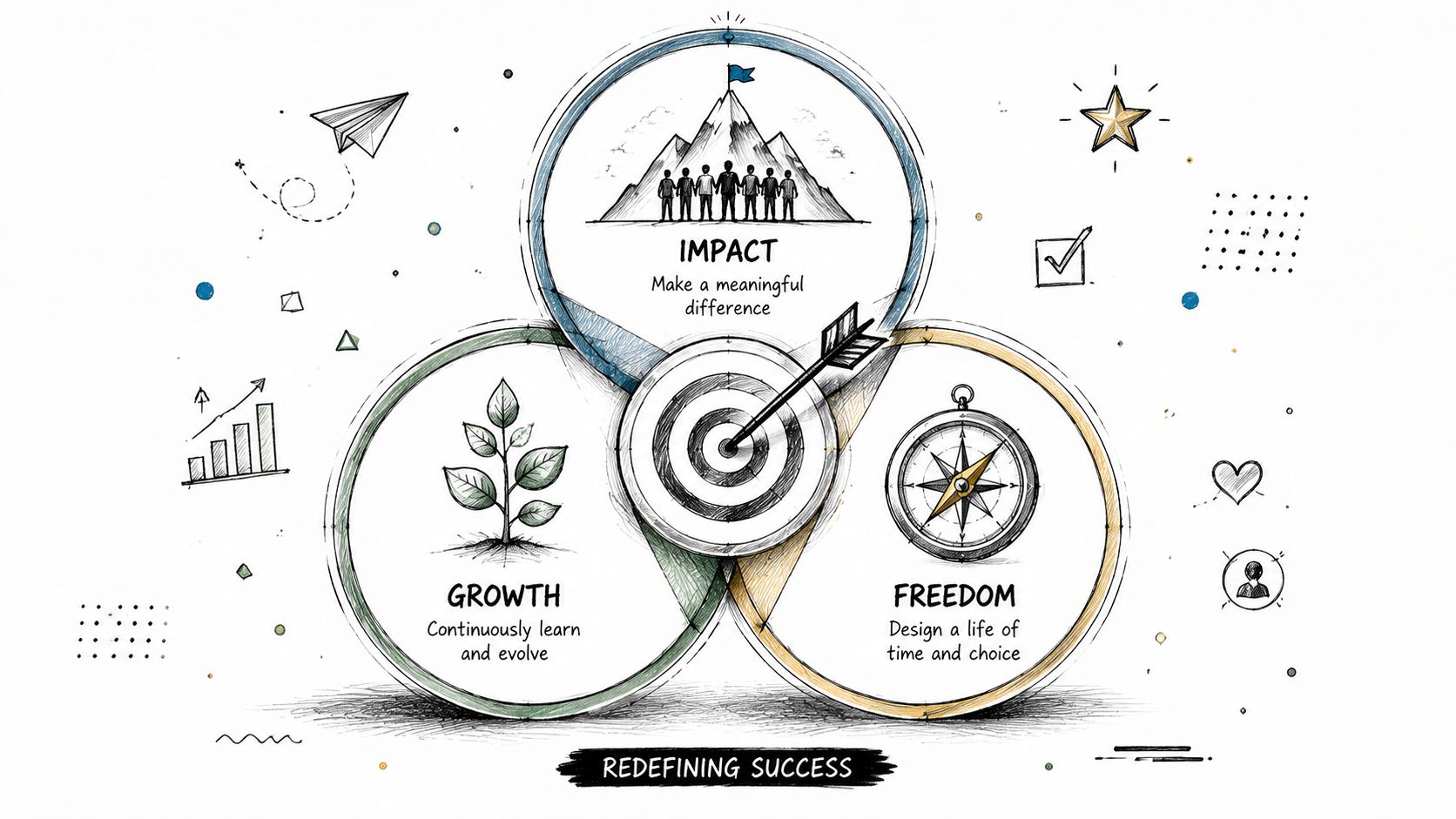
If you only optimize for revenue, you can easily schedule yourself into a corner. Deep discounts may move units, but they also make it harder to hold price integrity later. On the other hand, a lighter offer with stronger timing and better sequencing can preserve more value while still prompting action.
Start with the business question, not the launch date
Before setting dates, decide what the campaign is supposed to fix. Is the problem slow conversion, soft AOV, stagnant repeat purchase behavior, or inventory that needs to move without cheapening the brand? The answer changes the schedule.
A flat discount is usually the bluntest instrument. It can work when you need a broad response, but it also encourages shoppers to compare your regular price against the discount instead of against the value of the product. A tiered or time-limited promotion gives you more room to shape behavior, because the schedule can reward speed, reduce hesitation, and avoid making every buyer expect the same deal every time.
There’s also a channel-planning reason to define the objective first. Marketing history shows why coordination matters, because the channel mix grew from a far simpler world into one where timing became central. U.S. advertising spend rose from about $200 million in 1880 to nearly $3 billion in 1920, and worldwide spending reached $467 billion in 2011 (Smart Insights). When budgets and channels expand, timing stops being a detail and becomes part of the offer itself.
Practical rule: If the goal is brand protection, don’t schedule the campaign like a fire sale.
A good internal filter is whether the campaign should feel like a broad broadcast or a controlled event. That decision affects discount depth, duration, and channel pressure. It also helps you avoid the common trap of using the same scheduling pattern for a clearance push, a product drop, and a retention offer.
Building Your E-commerce Promotion Calendar
A useful promotion calendar isn’t just a list of holidays. It’s a layered system that keeps big bets from colliding with routine activity, and it gives your team enough runway to build campaigns without the last-minute scramble.
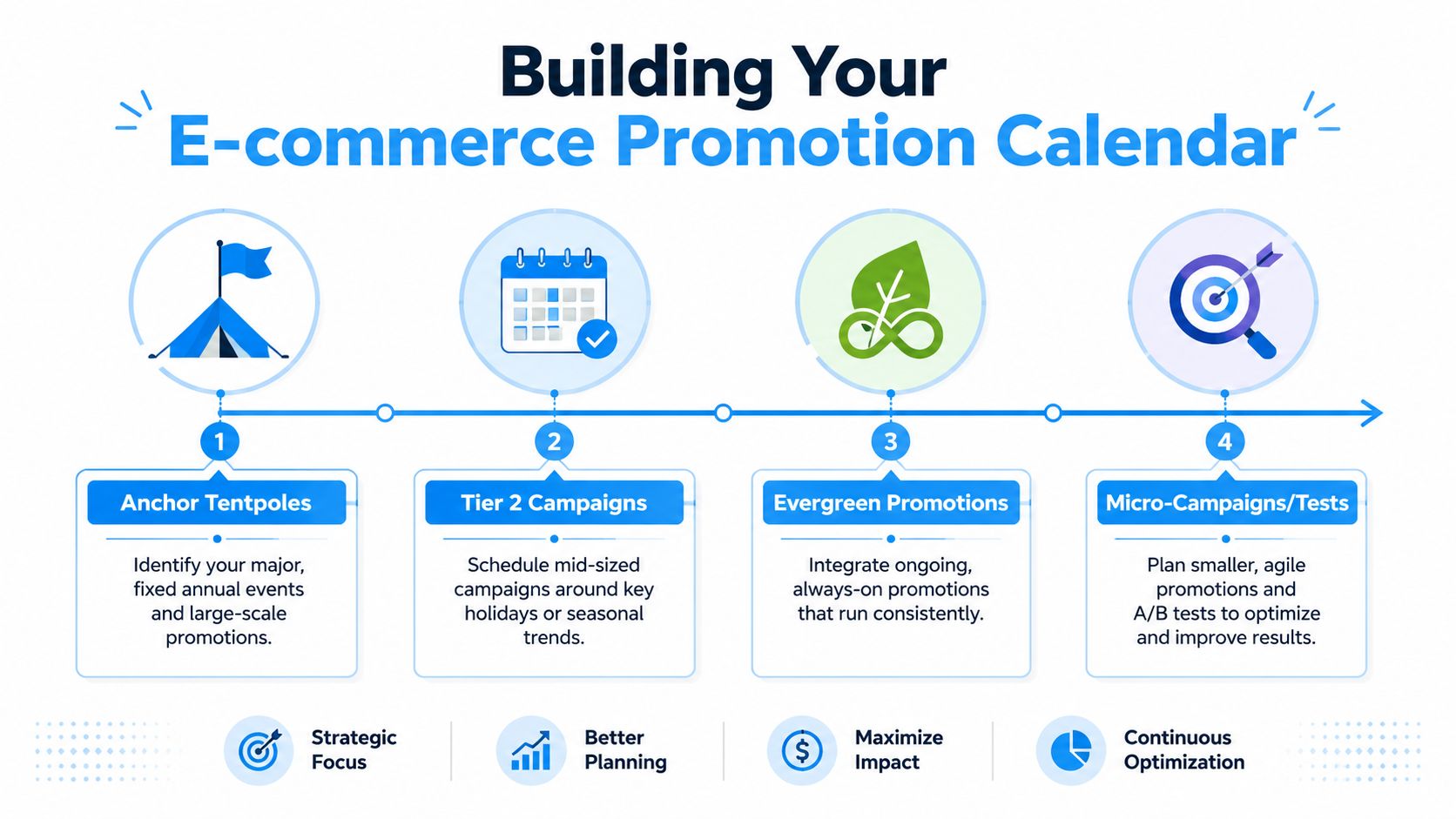
A practical structure starts with anchor tentpoles, then adds tier 2 campaigns, evergreen promotions, and smaller tests. That mix keeps the calendar from becoming either too rigid or too crowded. It also stops your biggest events from fighting with the smaller ones that keep revenue flowing between launches.
Use a quarterly view with clear lanes
Quarterly planning works because it lets you see the full promotional load before the quarter starts. You can decide which weeks deserve heavier attention, which periods should stay quiet, and where a smaller activation fits without cannibalizing a bigger one.
A standard workflow for major programs runs on a 4 to 8 week timeline, and a common 6-week model breaks out the work in a way that reduces launch risk (Pedowitz Group). Week 1 handles strategy and goals, Week 2 audience and channels, Week 3 creative, Week 4 build and integrations, Week 5 QA and soft launch, and Week 6 public launch plus optimization. That phased rhythm is useful because it separates planning, validation, and scale.
Here’s how that usually looks in practice:
- Anchor tentpoles: Keep the biggest seasonal events locked first, so lower-priority campaigns don’t drift into their window.
- Tier 2 campaigns: Place product launches, category pushes, and inventory events around the tentpoles, not on top of them.
- Evergreen promotions: Leave room for welcome, loyalty, and retention offers that don’t depend on one date.
- Micro-tests: Reserve space for short experiments so you can learn without disrupting the main calendar.
If you want a useful planning companion, Carlos Alba Media’s campaign guide is a solid example of how to think about integrated execution instead of isolated tactics. For a Shopify-specific version of the same mindset, this Quikly promotional calendar resource is worth comparing against your own cadence.
The goal here isn’t more activity. It’s better sequencing. When every campaign has a lane, your team spends less time renegotiating dates and more time improving the offer itself.
Sequencing Channels for a Cohesive Campaign Launch
A campaign can be on-brand and still feel messy if the channels don’t line up. The storefront might tease one message, email may lead with another, and SMS could be trying to force urgency before the customer has context. Sequencing fixes that by giving each touchpoint a job.
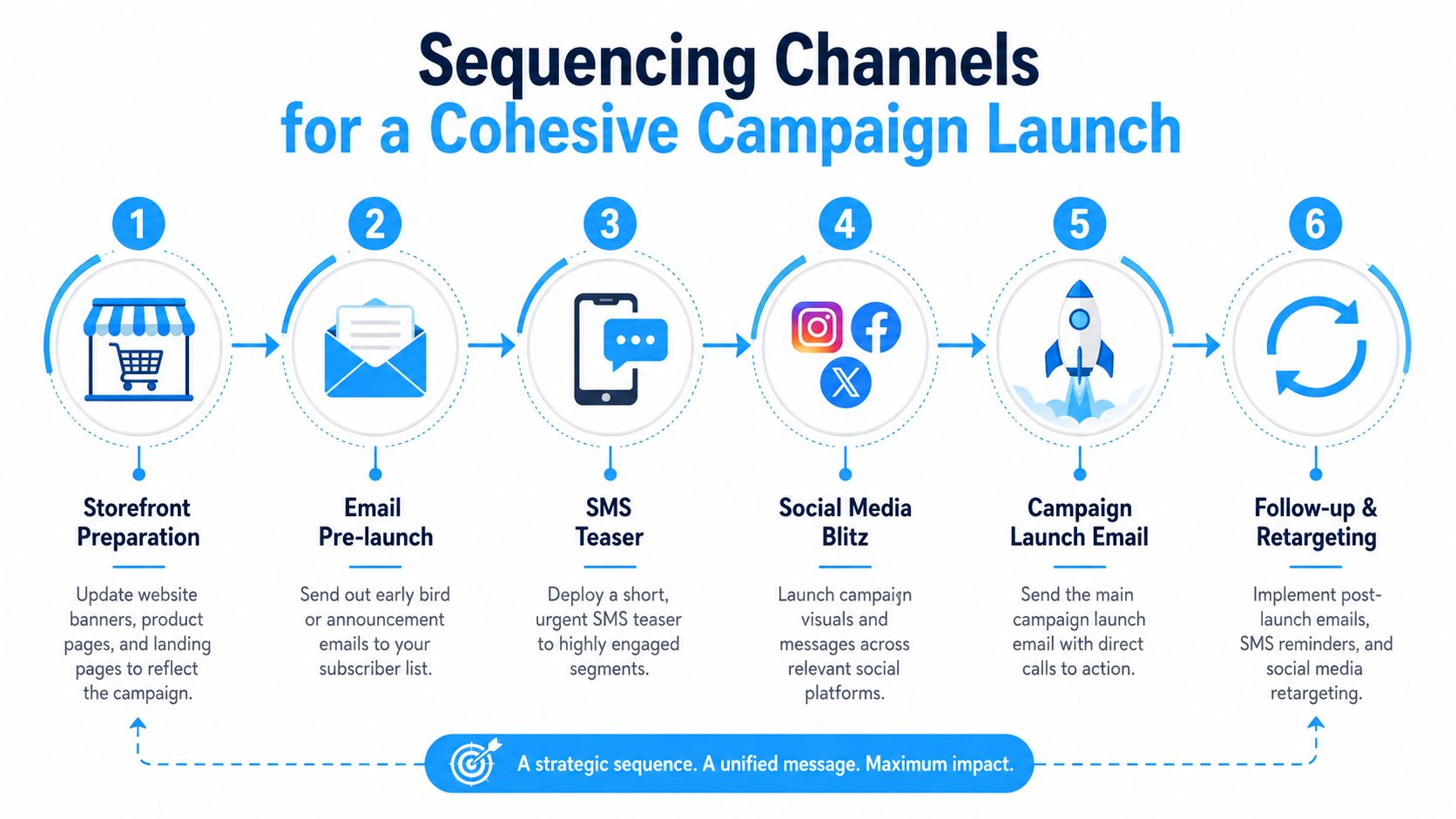
A clean launch usually starts with the storefront, then moves through owned channels, then uses social and retargeting to keep the offer alive. That order matters because people rarely convert on the first touch, especially when your offer is still new or the product requires a bit of consideration.
A simple five-day launch flow
For a time-bound promotion, a practical sequence looks like this:
- Day 1, VIP SMS early access. The first message goes to the most engaged segment, not the broadest one. That creates initial momentum and gives you a sharper read on response quality.
- Day 2, main email announcement. Email carries the fuller explanation, the value proposition, and the call to action.
- Day 3, social support. Social content reinforces the same offer without rewriting it. The point is consistency, not novelty.
- Day 4, reminder across channels. By now, the campaign should be looking more urgent, but still coherent.
- Day 5, final reminder. The closing message should be the last nudge, not a brand-new pitch.
A useful operational benchmark is to keep new campaigns running 24/7 for the first 7 to 10 days so you can gather enough initial conversion data before narrowing the schedule (Taboola). That matters because early dayparting based on tiny samples can send budget into the wrong windows. In practice, the first full reporting week tells you more about peak performance than guesswork ever will.
Don’t cut the schedule too early. Let the campaign show you where the real lift is before you start optimizing for convenience.
That same discipline applies to storefront updates, landing pages, and paid retargeting. If the schedule is coordinated, every channel adds pressure in the same direction. If it isn’t, customers get mixed signals and the campaign loses force.
Automating Time and Quantity-Bound Promotions
Basic timers can create pressure, but they don’t solve the bigger scheduling problem. A timer says the offer ends soon. A better system says the offer ends when the time window closes or when the allocation runs out, which gives you real control over both urgency and capacity.
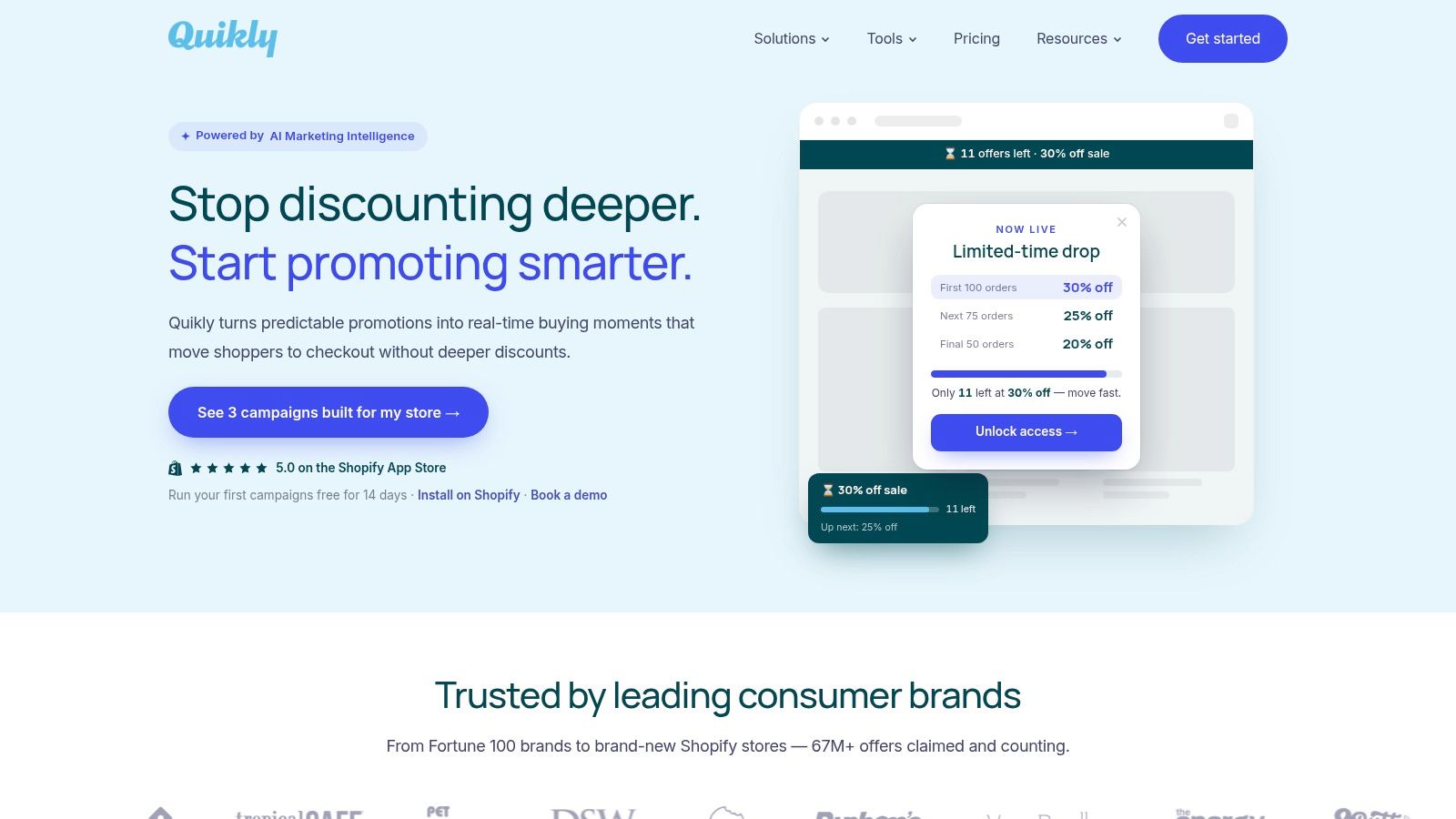
That distinction matters for margin. If a promotion is set up as a fixed discount with no real cap, it can keep attracting buyers long after the offer should have been dialed back. Modern campaign tools can handle precise start and stop times, and they can also decide whether active participants are exited immediately or allowed to finish their journey at the end of the campaign (Adobe Journey Optimizer).
Why scarcity works better when it’s tied to behavior
Scarcity bias and loss aversion are doing a lot of work in promotions, but only if the scarcity is credible. If shoppers believe they can wait and get the same deal later, the schedule loses its force. If the experience rewards action now, the promotion feels like a real event instead of another coupon.
That’s where time and quantity boundaries are useful. They create a decision moment without forcing you into ever-deeper discounts. The customer gets a clear reason to act, and the merchant gets better control over how much value is given away.
A platform like Quikly is built around that idea, but the larger takeaway is broader than one tool. The best scheduling systems don’t just set a launch date, they define the conditions under which the promotion should end. That’s a different operating model from “turn it on and hope it closes itself.”
For teams building around automation, this marketing automation workflow resource is a useful reference point for how campaigns should move without manual hand-holding at every step. The point isn’t more automation for its own sake, it’s removing the risk of overexposure.
Practical rule: A good promotion ends when it should, not when someone remembers to turn it off.
That’s also why behavior-driven promotions tend to hold brand value better than blanket discounting. They give the customer something to participate in, not just something to wait for. When the schedule, cap, and messaging are aligned, urgency feels earned instead of forced.
How to Measure and Refine Your Campaign Cadence
Revenue tells you whether a campaign moved product. It doesn’t tell you whether the schedule was healthy. A stronger review asks whether the campaign protected margin, improved conversion efficiency, and kept the brand from leaning too hard on discounting.
A key question is whether the next campaign should run continuously or in bursts. Many scheduling frameworks distinguish between brand awareness and direct response work, and that difference should affect cadence, budget, and duration (Young Urban Project). In other words, the right schedule depends on what the offer is supposed to do, not just on what got clicks last time.
A simple post-campaign review template
Use the same questions every time so the results are comparable:
- Margin protection: Did the campaign require a deeper concession than planned?
- Conversion quality: Did the offer improve purchase behavior, or just accelerate demand you would’ve captured later?
- Channel response: Which channel created the strongest early action?
- Cadence fit: Did the timing feel continuous when it should’ve been pulsed, or too bursty when it needed steady pressure?
You can also compare the campaign against the baseline you were running before the launch, especially on email and SMS engagement. That tells you whether the scheduling pattern supported the offer or merely added noise.
If you need a tighter framework for evaluating what worked, this campaign measurement guide is useful because it keeps the review focused on more than top-line revenue. And if your team is wrestling with budget allocation across channels, mastering ad spend for POD is a helpful reminder that budget discipline and timing discipline belong in the same conversation.
A good cadence is never fixed forever. It gets sharper when you compare burst campaigns against always-on activity, then look at which pattern fits the objective, the budget, and the customer’s attention span. That’s the real value of campaign scheduling, it turns promotion from a scramble into a repeatable operating system.
If your team is tired of promotions that depend on bigger discounts and tighter margins, Quikly gives you a way to turn campaigns into time and quantity-bound experiences that customers respond to. It fits the scheduling problem at the point where most plans break, by helping you create urgency without turning the store into a permanent sale rack.
Topics: campaign scheduling, ecommerce marketing, promotion planning, shopify marketing, marketing automation